By TPD Admin
 October 14, 2025
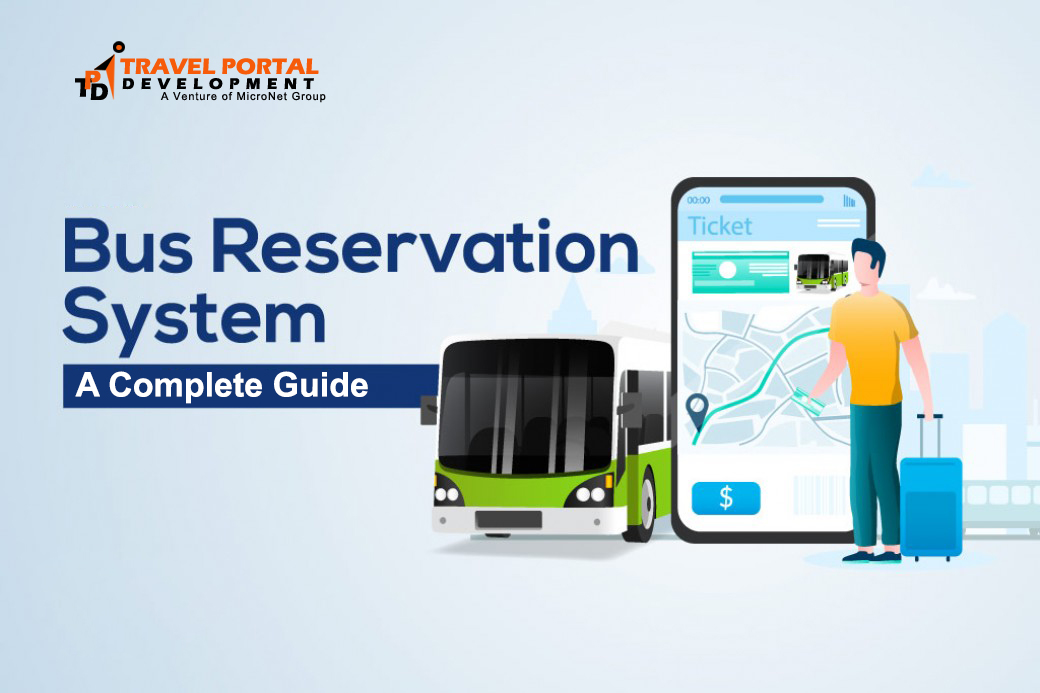
In today’s digital age, convenience drives decisions. Whether it’s booking a flight, a hotel, or a bus, travelers expect smooth, fast, and reliable online experiences. For travel portals, adding a bus booking system is no longer optional - it’s essential. With the rising popularity of online ticketing and mobile-first travel planning, a seamless bus booking platform can set your business apart in the competitive travel industry.
In this guide, we’ll walk you through how to build a seamless bus booking system, key features, technologies, and best practices to ensure your travel portal stands out in 2025 and beyond.
A bus booking system is an online platform or module that enables users to search, select, and book bus tickets. It connects customers, bus operators, and payment gateways through one centralized interface.
Core Functions Include:
For travel portals, this system can be standalone or integrated into an existing multi-service platform (flights, hotels, car rentals, etc.).
Before diving into development, it’s crucial to understand the benefits a bus booking feature brings:
a) Expands Your Service Offerings
Adding bus booking helps position your portal as a one-stop travel solution - users can plan entire trips without switching platforms.
b) Increases Revenue Streams
Through commissions, partnerships with bus operators, and cross-selling, you open new revenue channels.
c) Enhances Customer Loyalty
Travelers appreciate convenience. The more services you offer under one roof, the higher the user retention rate.
d) Taps into Tier-2 and Tier-3 Markets
While flights dominate metro cities, bus travel is king in smaller towns. A bus booking system helps you capture this large, under-served market.
e) Improves Brand Credibility
Offering comprehensive, reliable services builds trust - an important factor for travel brands.
A user-friendly and efficient system is the heart of a successful travel portal. Let’s look at the must-have features that make the booking process smooth for both users and operators.
a) Smart Search & Filtering
Allow users to search buses by:
Adding filters such as ratings, departure time, and amenities enhances the user experience.
b) Interactive Seat Selection
An intuitive seat layout where passengers can:
c) Real-Time Bus Tracking
Integrating GPS helps customers track their bus location in real time — a valuable feature for safety and reliability.
d) Secure Online Payments
Integrate trusted payment gateways (Paytm, Razorpay, Stripe, etc.) supporting multiple options:
Always use SSL encryption to secure user data.
e) Instant Booking Confirmation
Generate e-tickets instantly via SMS, email, or WhatsApp. Automation reduces manual errors and improves service efficiency.
f) Bus Operator Management Dashboard
For bus operators to:
g) Multi-Language and Multi-Currency Support
Ideal for travel portals with global or multilingual users.
h) Cancellation & Refund Management
Provide an easy, transparent cancellation process with automated refund tracking.
i) Admin Panel for Portal Owners
Admins should be able to:
j) Customer Support Integration
Chatbots, live chat, or helpdesk ticketing ensure users get help 24/7.
Behind every smooth booking experience is a well-planned technical structure. Here’s an overview of what powers it:
a) Front-End Development
Build a responsive and intuitive interface using:
b) Back-End Development
The back-end handles business logic, database operations, and API calls. Popular frameworks include:
• Node.js, Python (Django/Flask), Java (Spring Boot), or PHP (Laravel)
c) Database
Use a reliable database to handle large volumes of booking data:
d) APIs & Integration
e) Cloud Hostingn
Use scalable platforms like AWS, Google Cloud, or Azure for hosting and data security.
f) Security Measures
Ensure:
Here’s a practical step-by-step roadmap to develop and deploy your bus booking platform.
Step 1: Define Your Business Model
Decide whether your system will:
Also define commission structure, pricing model, and revenue strategy.
Step 2: Plan Features and Functionality
Create a feature list based on user journeys:
Step 3: Design the User Interface (UI/UX)
Focus on:
Step 4: Develop and Integrate APIs
Integrate APIs for:
Step 5: Test Rigorously
Conduct:
Step 6: Deploy and Monitor
After launch, continuously monitor:
Add new features, fix bugs, and update integrations regularly to maintain smooth performance.
Technology is transforming travel faster than ever. Here are upcoming trends shaping modern bus booking portals:
a) AI-Powered Chatbots
Automated chatbots assist users with booking, cancellations, and FAQs 24/7.
b) Dynamic Pricing Models
Machine learning helps bus operators adjust fares based on demand, timing, and seat availability.
c) Contactless Ticketing
QR-based mobile tickets reduce paper usage and speed up boarding.
d) Voice Search & Bookings
With smart assistants like Alexa and Google Assistant, voice-based bookings are gaining traction.
e) Real-Time Analytics
Helps operators and admins track performance, customer behavior, and revenue insights.
f) Integrated Travel Ecosystems
Users increasingly prefer unified portals where they can book buses, hotels, and cabs in one go.
Building is just the first step — promotion ensures visibility and user adoption.
a) SEO Optimization
Target keywords like:
Write blogs, guides, and landing pages optimized with these terms.
b) Social Media Marketing
Use platforms like Instagram, Facebook, and LinkedIn for travel promotions, offers, and route highlights.
c) Email & SMS Campaigns
Send personalized offers, booking reminders, and loyalty discounts.
d) Affiliate & Operator Partnerships
Collaborate with local and regional bus operators to expand your inventory.
e) Mobile App Push Notifications
Encourage repeat bookings with real-time updates and exclusive discounts.
The total cost depends on factors like scope, features, and technology stack. Alternatively, travel portals can integrate existing bus booking APIs like RedBus, Abhibus, or Bitla to save on time and development costs.
A seamless bus booking system is more than just an add-on - it’s a growth engine for modern travel portals. By focusing on user experience, automation, and integration, you can deliver an efficient, scalable, and profitable solution that caters to both travelers and bus operators.
In 2025, travelers expect everything at their fingertips - convenience, transparency, and speed. Investing in a well-built bus booking system ensures your travel business stays relevant, competitive, and customer-centric.
How long does it take to develop a bus booking system?
Typically, it takes 2–4 months for an MVP and up to 6 months for a fully-featured platform, depending on scope and integrations.
Can I integrate third-party APIs like RedBus or Abhibus?
Yes, integrating APIs from popular aggregators is a quick way to offer real-time seat availability and bookings without managing operator data manually.
What are the main challenges in building a bus booking system?
Key challenges include real-time seat synchronization, managing multiple operators, handling cancellations, and ensuring data security.
Do I need a mobile app for bus booking?
Yes, with most users booking via smartphones, a mobile-friendly app significantly boosts convenience and customer engagement.
How can I make my bus booking system more secure?
Implement SSL encryption, use trusted payment gateways, and conduct regular security audits to protect sensitive customer data.
What are the key features to include in a travel portal website?
June 11, 2025
Simplifying Travel Bookings: A Comprehensive Guide to B2C and B2B Portal Website Development
May 10, 2025
Revolutionize Your Travel Business with Cutting-Edge Travel Portal Website Development Strategies!
July 20, 2024
Top 10 Flight Booking API Providers for Your Travel Business
July 12, 2024
Top 10 Flight Booking API Providers for Your Travel Business
July 12, 2024
Maximize Your Travel Agency's Potential with Expert Travel Portal Website Development
July 06, 2024
The Ultimate Guide to Dominating the Online Travel Market: How to Create a Successful Travel Portal Website
June 18, 2024
Unlock the Secrets to Successful Travel Portal Website Development for Your Travel Agency!
May 13, 2024
Stay Ahead in the Travel Industry with Our Customized White Label Travel Portal Development
April 11, 2024
What is Hotel Booking Engine – Why You Need One in 2024 for travel agent?
March 09, 2024
Expert Travel Portal Development Services | Get Started
February 09, 2024
How to Overcome the Challenges of Developing a Travel Portal Website
January 12, 2024
How To Start An Online Travel Agency Website?
December 15, 2023
5 Key Factors to Consider When Choosing a Travel Portal Development Company
October 27, 2023
Transform Your Travel Business: Build a Dynamic Travel Portal
October 10, 2023
The Benefits of Custom Travel Portal Development for Your Travel Business
August 02, 2023
Unlock the Potential of Your Travel Portal with White Label Solutions
July 12, 2023
How to Choose the Right White Label Travel Portal for Your Travel Agency?
June 06, 2023
White Label Travel Portals vs. Customized Travel Portals: Which is Right for Your Business?
April 07, 2023
Expand your Brand Reach with White Label Travel Portal Development
April 12, 2021
Why Travel Agents Should Use B2B White Label Travel Portal?
March 12, 2021
How to Enable A Better Traveler Experience with Travel API
February 28, 2021
What is A Travel API and How It Benefits Travel Agencies?
February 13, 2021
Why Travel Agents Must Opt for A White Label Travel Portal?
January 28, 2021